


Exploring Cambodia's Coffee Plantations: A Guide for Coffee Lovers
- G Milla
- Jul 31
- 4 min read

Coffee lovers searching for new experiences often overlook Cambodia as a destination for coffee tours. Yet, this Southeast Asian country offers unique coffee plantations that combine rich flavors with fascinating cultural and environmental stories. Exploring Cambodia's coffee plantations reveals a growing industry with distinct beans, traditional farming methods, and welcoming local communities. This guide will help coffee enthusiasts plan a memorable trip to discover Cambodia’s coffee heritage firsthand.

Why Cambodia Is Becoming a Coffee Destination
Cambodia’s coffee industry is relatively young compared to neighboring Vietnam or Laos, but it is growing steadily. The country’s climate and fertile soil in regions like Mondulkiri and Ratanakiri provide ideal conditions for Arabica and Robusta coffee cultivation. Smallholder farmers and cooperatives are increasingly adopting sustainable practices, which attract travelers interested in ethical and eco-friendly coffee production.
Touring coffee plantations here offers more than just tasting fresh brews. Visitors learn about the challenges farmers face, such as climate change and market access, and how they adapt with innovative techniques. The experience connects coffee lovers to the source of their favorite drink in a meaningful way.
Best Regions to Visit for Coffee Tours
Mondulkiri Province
Mondulkiri is Cambodia’s top coffee-growing region, known for its cool climate and high elevation. The province’s rolling hills and forests create a perfect environment for Arabica beans, which thrive in cooler temperatures. Several plantations welcome visitors to explore their farms, observe harvesting, and participate in coffee tastings.
Some plantations also offer homestays, allowing travelers to immerse themselves in local culture while enjoying fresh coffee. The scenery here includes misty hills and dense forests, making the visit visually stunning as well.
Ratanakiri Province
Ratanakiri, located northeast of Mondulkiri, is another emerging coffee region. It is home to indigenous communities who cultivate coffee alongside other crops. The coffee here tends to have earthy and fruity notes, reflecting the volcanic soil and diverse microclimates.
Visitors can join guided tours that explain traditional farming methods and the role of coffee in local livelihoods. This region offers a more off-the-beaten-path experience, ideal for travelers seeking authenticity.
What to Expect on a Coffee Plantation Tour
When visiting a Cambodian coffee plantation, expect a hands-on and educational experience. Tours typically include:
Farm Walks: Guided walks through coffee fields to see plants at different growth stages.
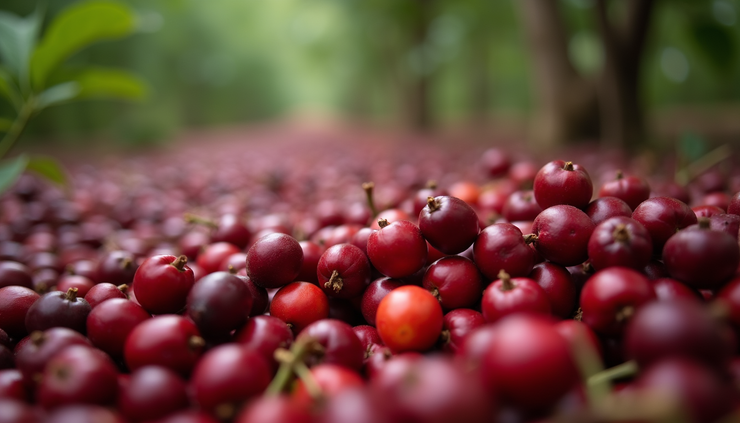
Processing Demonstrations: Insight into how coffee cherries are harvested, pulped, fermented, and dried.
Tasting Sessions: Sampling freshly brewed coffee, often with explanations of flavor profiles and brewing techniques.
Cultural Interaction: Opportunities to meet farmers and learn about their daily lives and traditions.
Many plantations emphasize sustainable farming and fair trade, so visitors gain awareness of the social and environmental impact of coffee production.
Tips for Planning Your Coffee Plantation Visit
Book in Advance: Some plantations require prior booking, especially for tours with tastings or homestays.
Travel Logistics: Mondulkiri and Ratanakiri are accessible by road from Phnom Penh, but travel times can be long due to rural roads. Plan accordingly.
Best Time to Visit: The dry season from November to April is ideal for plantation visits, as the weather is pleasant and harvesting occurs mainly between November and February.
Bring Appropriate Gear: Comfortable walking shoes, sun protection, and insect repellent will enhance your experience.
Respect Local Customs: Dress modestly and ask permission before taking photos of people or private property.
Supporting Local Communities Through Your Visit
Touring coffee plantations in Cambodia supports small farmers and local economies. Many plantations operate as cooperatives or social enterprises, reinvesting profits into community development projects such as education and healthcare. By choosing tours that prioritize fair trade and sustainability, coffee lovers contribute to positive change.
Purchasing coffee directly from plantations or cooperatives ensures farmers receive a fair price. Some plantations also sell unique blends or single-origin beans that make excellent souvenirs.
How Cambodian Coffee Differs from Other Origins
Cambodian coffee offers distinct flavor profiles shaped by its terroir and farming practices. Arabica beans from Mondulkiri often have bright acidity with floral and citrus notes, while Robusta beans from lower elevations provide a strong, earthy taste with chocolate undertones.
The use of traditional wet processing methods and minimal chemical inputs enhances the natural flavors. Coffee lovers will notice a unique balance between boldness and subtlety in Cambodian brews, making them a refreshing alternative to more common coffee origins.
Final Thoughts on Exploring Cambodia’s Coffee Plantations
Visiting coffee plantations in Cambodia offers a rich experience that goes beyond tasting coffee. It connects travelers to the land, the people, and the stories behind each cup. The country’s emerging coffee scene combines natural beauty, cultural heritage, and sustainable farming, making it a rewarding destination for coffee lovers.
Plan your visit with care, support local farmers, and savor the unique flavors Cambodia has to offer. Whether you are a casual coffee drinker or a passionate connoisseur, exploring these plantations will deepen your appreciation for coffee and the hard work behind it. Consider adding Cambodia to your next coffee travel itinerary and discover a new world of coffee adventure.


Comments